
EPL Index
·22 Maret 2026
Report: Mikel Arteta in control but Arsenal under pressure to sell this summer
In partnership with
Yahoo sports
EPL Index
·22 Maret 2026
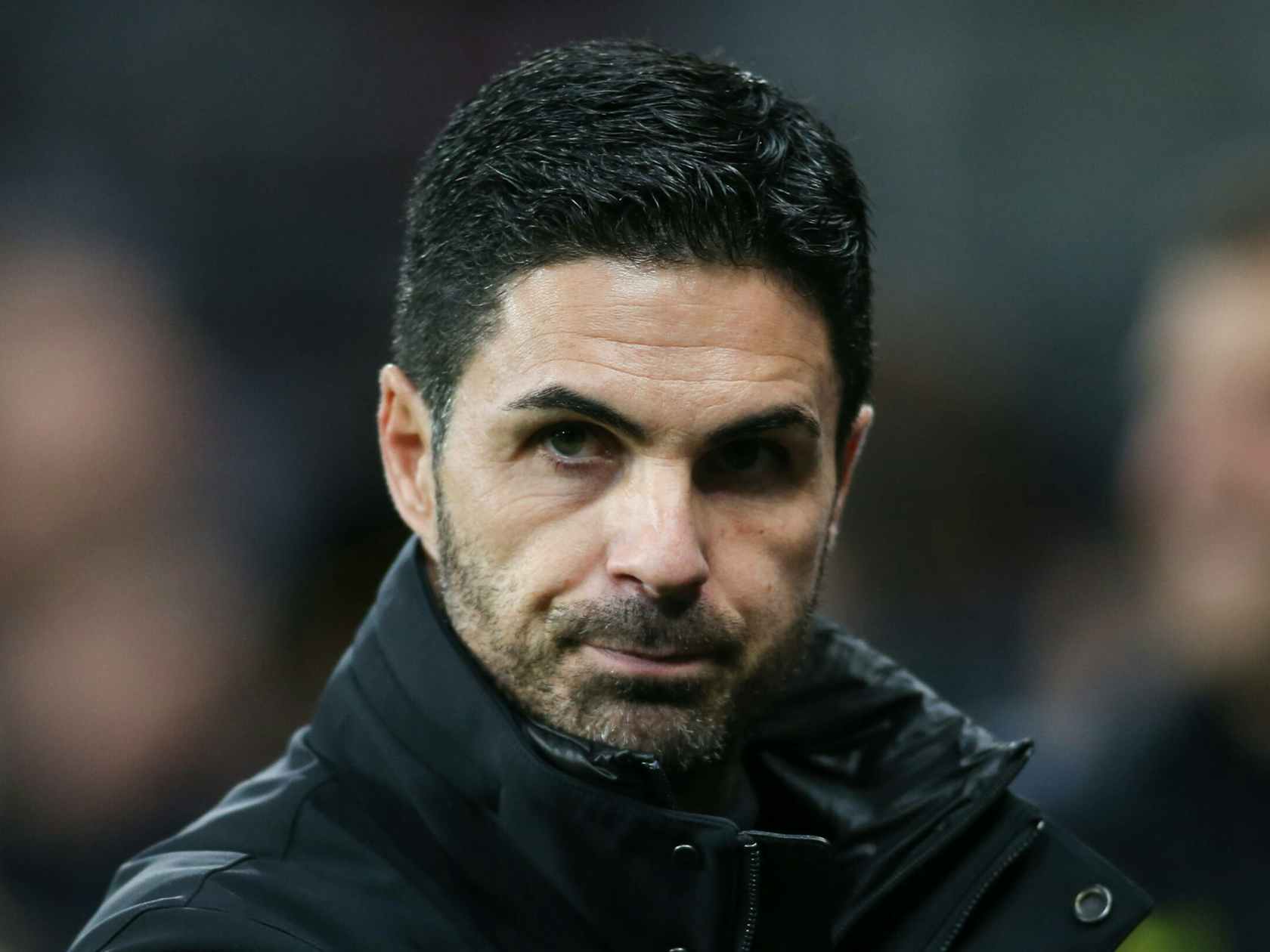
There is a moment in every elite football project when control consolidates. At Arsenal, that moment belongs to Mikel Arteta. What was once a collaborative structure has evolved into something far more centralised, with the Spaniard now exerting decisive influence over football operations, culture and competitive direction at Arsenal.
Drawing from reporting by Sam Wallace, the shift is stark. Arteta is no longer simply the head coach refining tactics on the training ground; he is the axis around which the club turns. As Wallace observed, “the lion’s share of power and decision-making at Arsenal rests on Mikel Arteta’s shoulders.” That concentration reflects both trust from ownership and the success trajectory that has lifted Arsenal back into contention.
Yet with such authority comes a recalibration of risk. Arsenal’s hierarchy, mindful of the long shadow cast by the Arsène Wenger era, had once resisted placing too much control in a single figure. Now, necessity and progress have altered that stance.

Photo: IMAGO
Arteta’s attention to detail borders on forensic. One anecdote highlighted in the original reporting illustrates the level of operational control now embedded at the club. Prior to a fixture against Brentford, Arteta ordered that under-21 players and coaching staff be separated entirely from first-team training sessions. The intention was clear: eliminate any possibility of tactical leaks or compromised preparation.
It is a small but telling vignette. Elite football margins are razor-thin, and Arteta has constructed an environment where information security, tactical clarity and internal discipline are non-negotiable. This is not merely coaching; it is governance.
Such measures reflect a broader philosophy. Arteta’s Arsenal is meticulously curated, from recruitment profiles to matchday execution. Every variable is managed, every edge pursued. In an era where data, analytics and micro-preparation define success, his approach aligns with modern elite standards.
However, centralisation carries inherent vulnerabilities. When decision-making converges around one individual, the margin for error narrows. Success amplifies authority; failure intensifies scrutiny.
Wallace’s framing of Arteta’s position as a “double-edged sword” captures this tension. If Arsenal deliver silverware – particularly the Premier League title – the manager’s influence will only deepen. But should results falter, the same concentration of power could expose the club to instability.
This dynamic is not unfamiliar in English football. Clubs that have thrived under dominant managerial figures often face transitional turbulence when that figure departs or loses momentum. Arsenal’s leadership must therefore balance empowerment with structural resilience.
What elevates this discussion is Arsenal’s competitive context. This is no longer a rebuilding side flirting with top-four finishes. Under Arteta, Arsenal have re-emerged as genuine title contenders, playing with tactical sophistication and psychological edge.
That ascent has transformed expectations. The club’s supporters, once patient during the early phases of Arteta’s tenure, now demand tangible success. Ownership, too, has backed the project financially and strategically, reinforcing the manager’s authority.
In this environment, Arteta’s power is both a catalyst and a pressure point. His vision has driven Arsenal forward, but it must now deliver at the highest level. The Premier League, with its relentless intensity and elite opposition, offers no margin for complacency.
Ultimately, Arsenal’s future hinges on whether this model – built around a single, highly influential figure – can sustain success over time. For now, Arteta remains the architect, executor and guardian of the club’s ambitions.
 Lihat jejak penerbit

Langsung


 Tonton
Langsung

 Tonton
Langsung

 Tonton
Langsung

 Tonton
Langsung

 Tonton
Langsung

 Tonton

 Tonton

 Tonton

 Tonton

 Tonton

 Tonton

 Tonton

 Tonton

 Tonton

 Tonton

 Tonton

 Tonton

 Tonton

 Tonton

 Tonton

 Tonton