
EPL Index
·01 de fevereiro de 2026
Man United fan group set to rise against Glazers and Sir Jim Ratcliffe today
In partnership with
Yahoo sports
EPL Index
·01 de fevereiro de 2026
Manchester United have always been more than a football club. They are a civic institution, a global brand and, crucially, a fan base unafraid to challenge those in power. Protest has become part of the club’s modern identity, surfacing whenever supporters believe standards, values or stewardship are under threat. As fresh demonstrations are planned this weekend, the story feels less like a rupture and more like a continuation of a long, unresolved conversation.
United supporters have confronted broadcasters, billionaires and governing bodies over the past three decades. They have written letters, lobbied politicians, marched, occupied stadiums and, when ignored, created their own club. History suggests that while protests do not always win immediate victories, they shape the environment in which decisions are made.
The first modern flashpoint arrived in 1998 when Rupert Murdoch’s BSkyB sought to buy Manchester United. Many supporters initially welcomed the idea, believing financial muscle would bring success. Others saw danger. The prospect of the Premier League’s sole broadcaster owning its biggest club raised concerns over impartiality and concentration of power.
A small but determined coalition mobilised. Without social media, they wrote thousands of letters to shareholders, gave evidence to regulators and forced political scrutiny. The takeover was ultimately blocked. At the time, it felt like a triumph that matched the drama unfolding on the pitch during the treble season. In hindsight, it also demonstrated that organised supporters could influence outcomes far beyond the stands.
That unity proved harder to sustain when the Glazer family completed their leveraged takeover in 2005. Opposition was fierce but fragmented. Some supporters dismissed warnings about debt, while others foresaw long term damage. Manchester United Supporters Trust emerged from this period, alongside protests that ranged from banners to boycotts.
The anger was raw. Effigies were hung, arrests were made and trust between club and supporters collapsed. For some, disillusionment ran so deep that they walked away and formed FC United of Manchester, a fan owned alternative built on principles many felt had been lost.
The green and gold campaign later tapped into the club’s roots as Newton Heath, using history as symbolism and resistance. While it did not dislodge ownership, it froze ticket prices for over a decade and forced dialogue. That outcome matters. Protest did not remove the Glazers, but it altered behaviour.

Photo IMAGO
The European Super League plans in 2021 reignited supporter activism across English football. At United, fury turned physical. Training grounds were invaded, executives confronted and Old Trafford occupied, forcing the postponement of a televised match against Liverpool.
The scenes were chaotic and controversial, yet the impact was immediate. Within days, the Super League collapsed and the Premier League moved towards stronger fan engagement frameworks. The message was blunt. Ignore supporters at your peril.
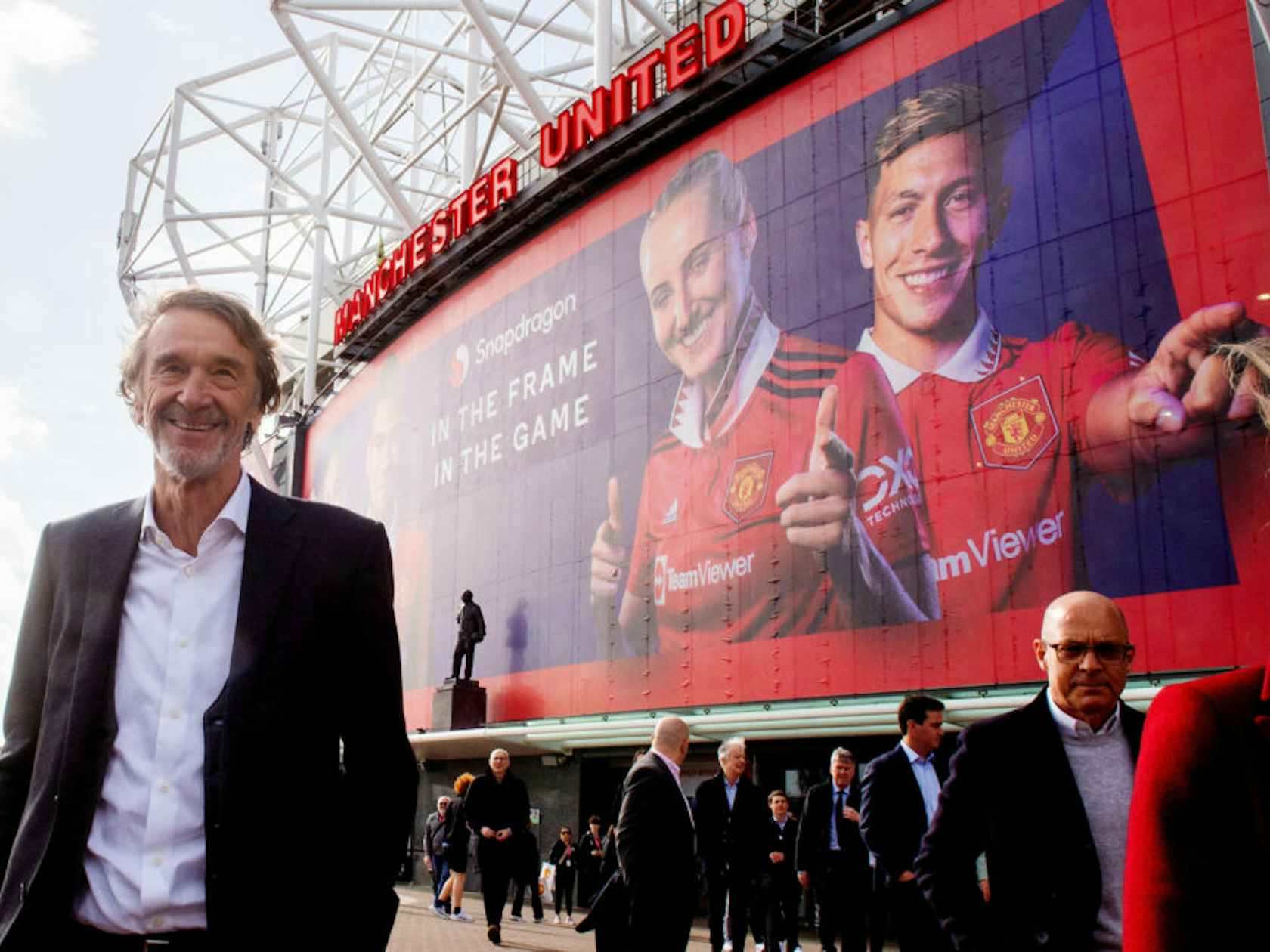
Now attention turns to Sir Jim Ratcliffe. Having acquired a minority stake in February 2024 and control of football operations, he was initially welcomed as a potential reformer. That goodwill has faded for sections of the fan base. Protest group The 1958 argue that structural dysfunction remains, regardless of results on the pitch.
Their timing has raised eyebrows, especially with interim manager Michael Carrick overseeing a revival. Yet the protesters insist performance is irrelevant. Their focus is governance, competence and long term direction. That distinction echoes past movements. For United fans, protest has rarely been about one defeat or one season. It has always been about who the club belongs to and how it is run.
Manchester United history shows that voices raised in unison do not always get what they want, but they are rarely ignored forever.
 Saiba mais sobre o veículo

Ao vivo


 Assista

 Assista

 Assista

 Assista

 Assista

 Assista

 Assista
 Assista

 Assista

 Assista

 Assista

 Assista

 Assista

 Assista

 Assista

 Assista

 Assista

 Assista

 Assista

 Assista

 Assista


