
Anfield Index
·19 August 2026
Further minority investment detail emerges for Liverpool
In partnership with
Yahoo sports
Anfield Index
·19 August 2026
Liverpool ownership has moved back into sharp focus after a significant detail emerged around the club’s shareholder structure. According to The Times, the Amit Bhatia group “owns 38% of Liverpool, and can buy majority stake”, a line that immediately changes the tone around what had previously been presented more modestly.
The original “deal announced on Friday was believed to be for a third of the Premier League club”, yet the report adds that it is actually a larger holding, “raising questions over why owners FSG were not more transparent”. That distinction matters. A third suggests a substantial minority investment, while 38 per cent and an option to go further introduces genuine long-term implications for control, strategy and governance at Anfield.

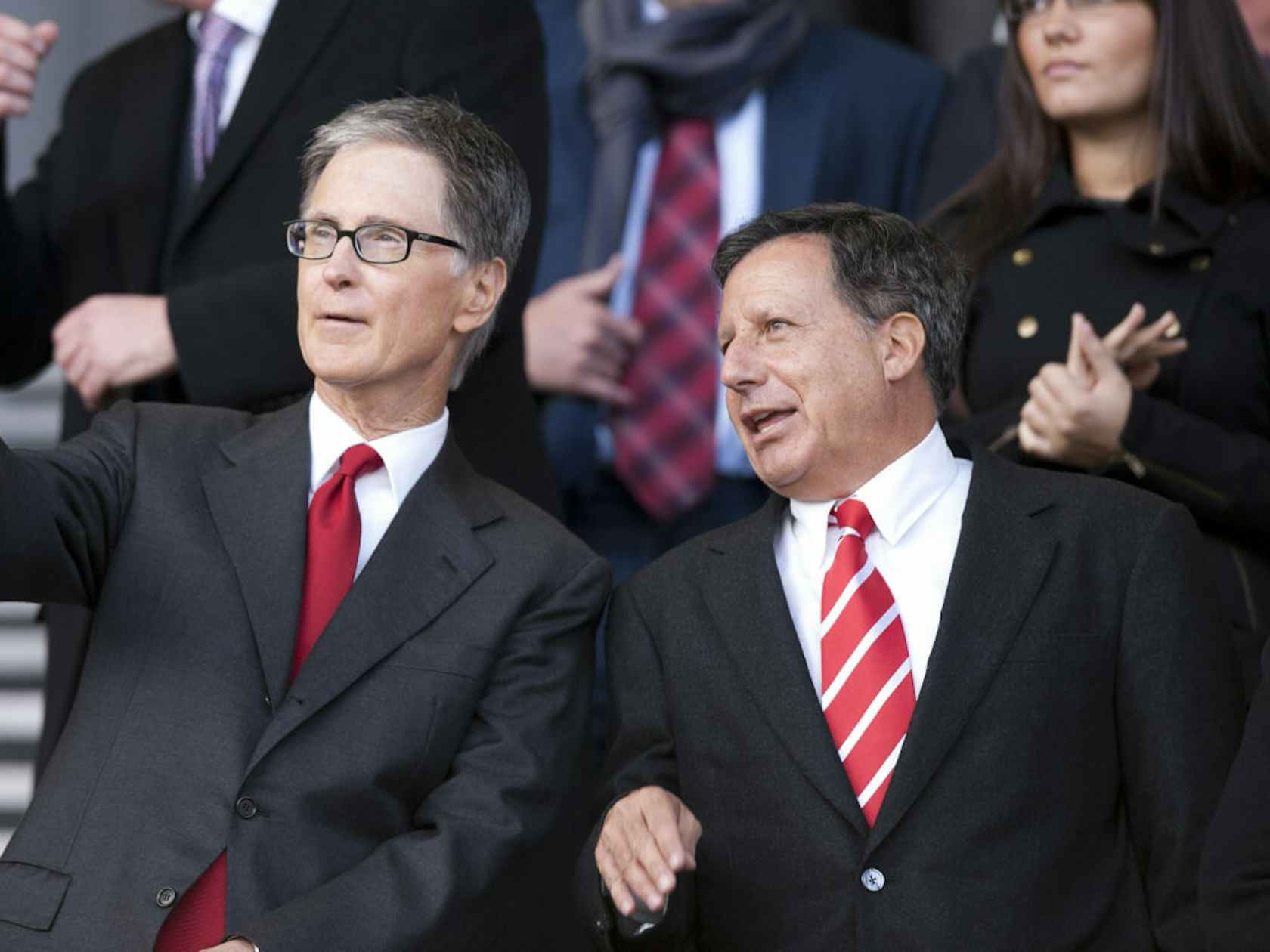
Photo: IMAGO
For Liverpool supporters, the most notable aspect is not simply the size of the stake, but the wording around disclosure. If the transaction was initially understood to be one thing and is now revealed to be another, scrutiny is inevitable. The phrase “raising questions over why owners FSG were not more transparent” captures the central concern.
Fenway Sports Group have long operated with discipline and caution, especially in matters of finance and structure. That approach has often been presented as stability. In this case, though, the issue is clarity. A 38 per cent position in Liverpool carries weight, and any route to a majority stake would naturally prompt supporters to ask what this means for the club’s future direction.
The significance of an investor being able to “buy majority stake” extends beyond paperwork. It creates a scenario where Liverpool could, over time, move towards a different balance of power. Whether that possibility is immediate, remote or highly conditional, the existence of such a pathway is major news in itself.
From a football perspective, ownership stability remains crucial at a time when Liverpool are entering a new era under Andoni Iraola. Strategic alignment, investment capacity and decision-making at board level all influence how aggressively the club can compete in the transfer market and maintain elite standards on and off the pitch.
As a Liverpool supporter, this is the type of report that instantly grabs attention because it feels bigger than a routine business update. If a group already owns 38 per cent and can move to a majority, then fans are entitled to want the full picture. The line about the deal being “believed to be for a third of the Premier League club” is what lingers, because it suggests the public understanding was some way off the full reality.
That does not automatically mean something sinister is happening, but it does create unease. Liverpool fans can accept complex ownership structures. What they struggle with is uncertainty, especially after years of hearing about prudence, sustainability and long-term planning. If this development proves to be part of a wider strategy, then communication becomes essential.
There is also the football angle. Supporters will wonder whether this opens the door to stronger investment, a different risk appetite or a change in how major decisions are taken. At a club of Liverpool’s size, ownership is never just background detail. It shapes recruitment, infrastructure and ambition.
The key point is simple. Fans do not need every negotiation played out in public, but they do expect honesty about the scale of change. A 38 per cent stake with the potential to become more feels like a major moment, and it deserves to be treated that way.
 View publisher imprint


 Watch
Watch

 Watch
Watch

 Watch
Watch

 Watch
Watch

 Watch
Watch

 Watch
Watch

 Watch
Watch

 Watch
Watch

 Watch
Watch

 Watch
Watch

 Watch
Watch

 Watch
Watch

 Watch
Watch

 Watch
Watch

 Watch
Watch

 Watch
Watch

 Watch
Watch

 Watch
Watch

 Watch
Watch

 Watch
Watch


